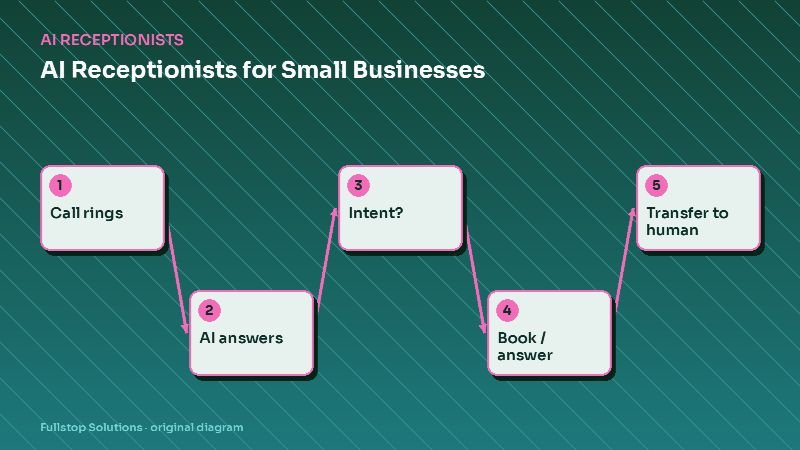
An AI receptionist answers your business line in a natural voice, handles routine questions, books appointments and routes urgent or complex calls to people. This guide explains how they work, what they should and should not do, and how to roll one out.
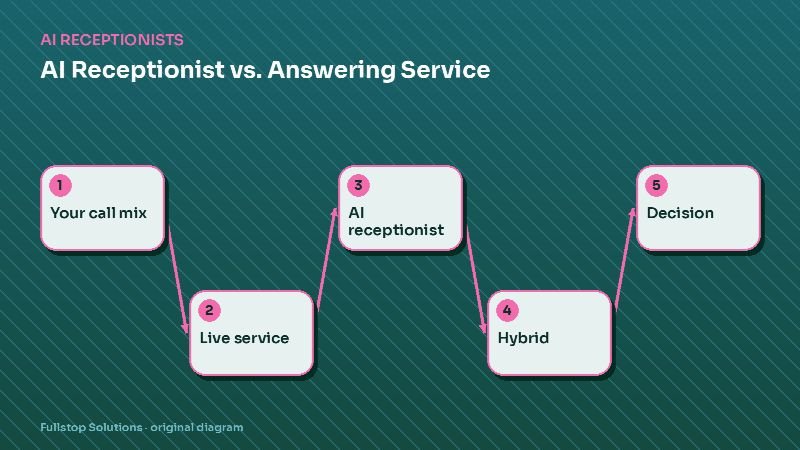
Live answering services bring human empathy; AI receptionists bring instant pickup, direct booking and consistent answers. The right choice depends on your call mix. Here is an honest side-by-side comparison and a decision framework.
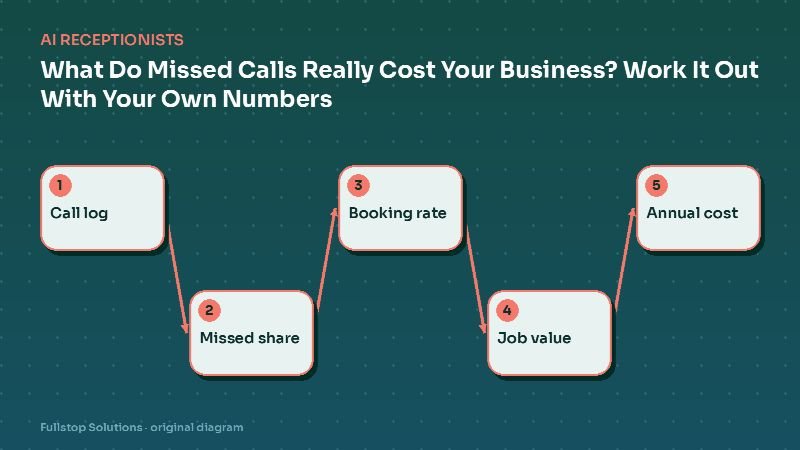
Instead of trusting someone else's statistic, calculate what missed calls cost you. This guide shows where to find your numbers, the formula, the hidden costs most people leave out, and how to check the result against reality.
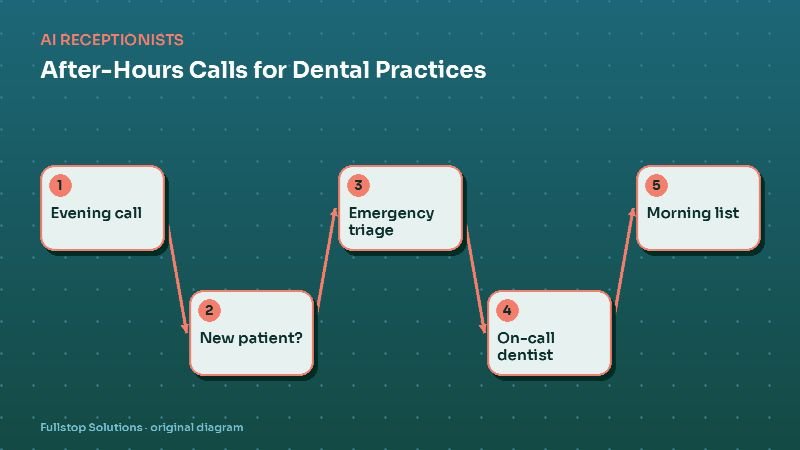
Many dental calls come when the office is closed: new patients comparing practices, toothaches, and people trying to reschedule. Automation can book new patients, triage emergencies to the on-call dentist and handle routine changes, with patient privacy built in.
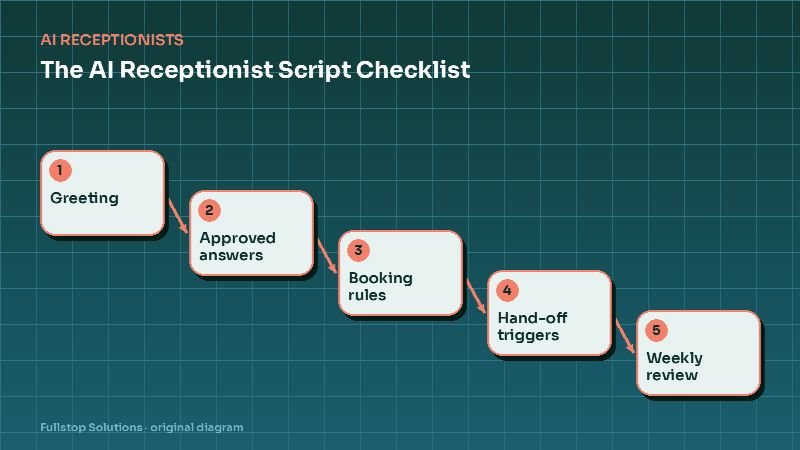
An AI receptionist is only as good as the decisions behind it. This checklist walks through the 30 decisions to make before go-live, from the first sentence callers hear to what happens when nobody answers a transfer.
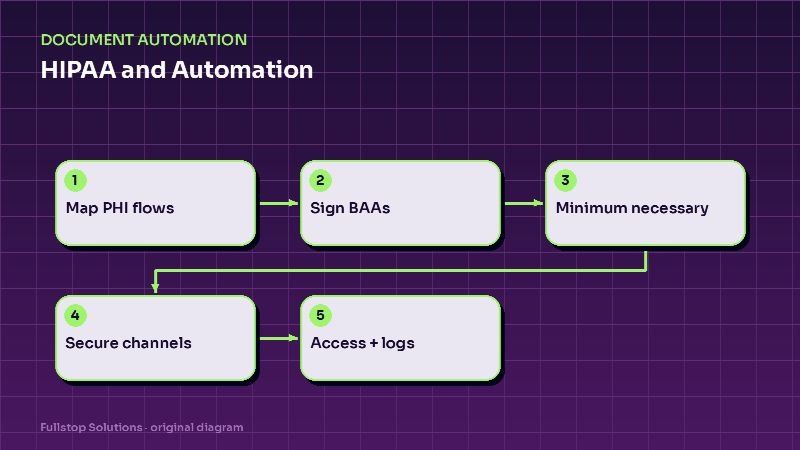
Automation can save healthcare practices hours a day, but anything that touches patient information brings HIPAA into play. This checklist covers business associate agreements, minimum necessary data, secure channels, access, logging and vendor review.
AI assistants fail in predictable ways: they answer what they should not, act without permission or keep customers from people. This framework covers scope, knowledge, permissions, refusals, handoff triggers, logging and review.
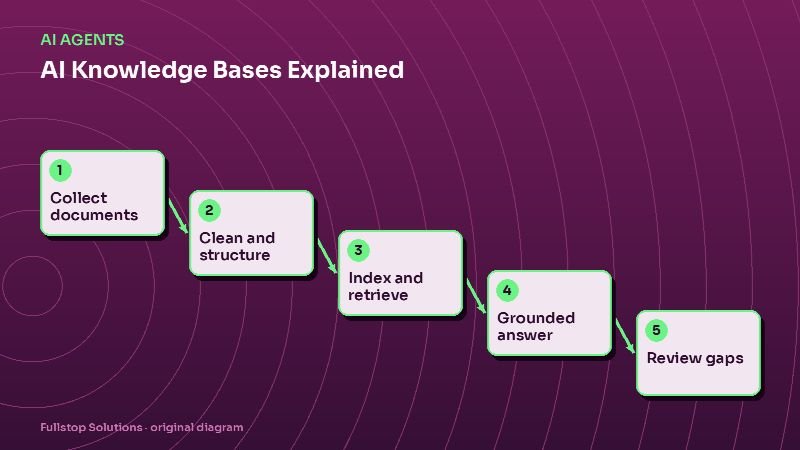
An AI knowledge base is the approved content your assistant answers from. Quality of answers depends far more on what goes in, how it is structured and how it is maintained than on which AI model you use.
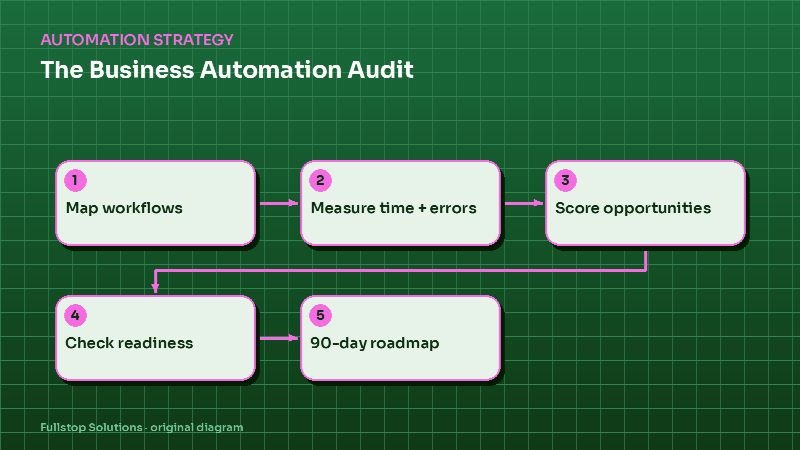
An automation audit shows where time, leads and money leak out of your operations and which fixes pay back first. This guide walks through mapping workflows, measuring them, scoring opportunities and building a 90-day plan.
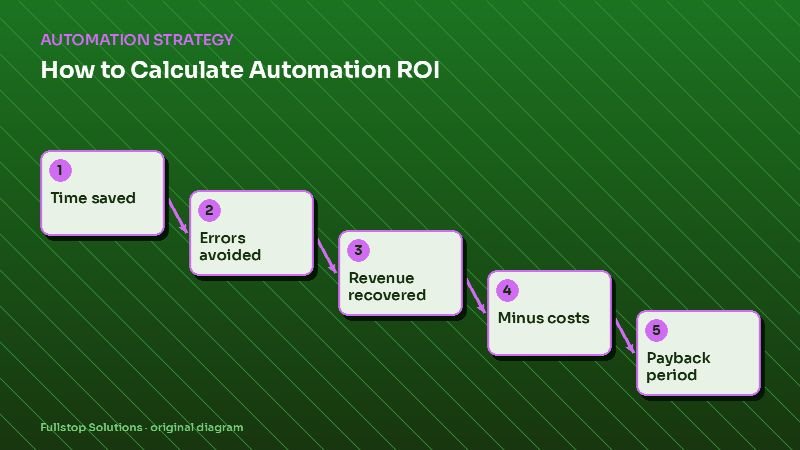
Automation ROI is not mysterious. Add the value of time saved, errors avoided and revenue recovered, subtract build and running costs, and check how sensitive the result is to your assumptions.
Front desks in dental offices juggle phones, confirmations, recall lists, insurance and forms. These are the automations that tend to free the most chair time and front-desk hours, and how to sequence them.
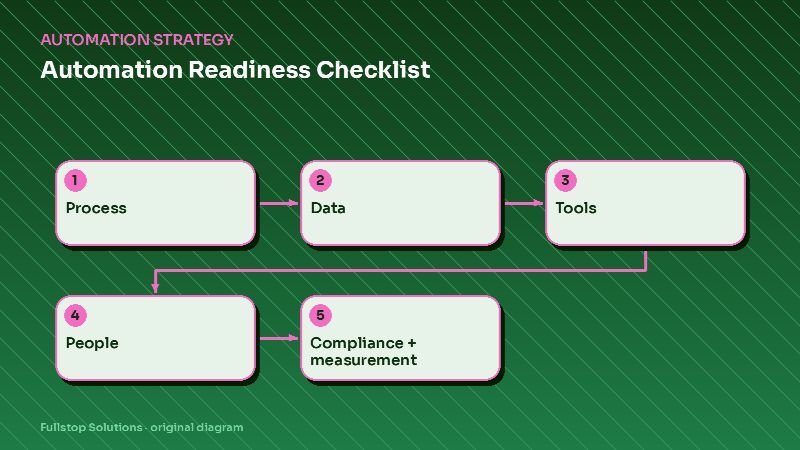
Automation projects fail most often because of unclear processes, messy data or no owner, not technology. This 25-question checklist shows where you are ready and what to fix first.
6 min read ·
Want the short version for your business?
A free automation audit maps where your leads, calls and paperwork slip, and what to automate first.