Short answer: chiropractic and physical therapy clinics can automate four kinds of follow-up: same-day missed-visit messages with a reschedule link, alerts for patients with unscheduled visits left on their plan of care, a check-in after discharge, and periodic reactivation outreach to past patients where consent allows. Messages stay short and care-focused; clinical questions go to clinicians.
Why patients drop off
Patients stop coming for ordinary reasons: they feel a bit better, their schedule changes, a visit is missed and never rebooked, or they are unsure what comes next. Many would return with a timely nudge and an easy way to book. Without a system, front-desk staff rarely have time to work the list of patients who drifted away.
Your own EHR or practice management reports can show how many patients have unscheduled visits remaining on their plans. That number is where this project's value lies.
1. Missed-visit follow-up
When a patient misses an appointment, a message goes out the same day:
"We missed you today. You can pick a new time here: [link]. Call us at [number] if anything has changed."
If there is no response, a second message follows a day or two later, then a call task for staff. Keep content neutral: no diagnoses, conditions or treatment details in texts.
2. Unscheduled plan-of-care visits
If the plan of care calls for a set number of visits and the patient has no future appointments, the automation flags them and sends a reminder to book, with the clinic's scheduling link. A clinician or front-desk task follows if they do not book. The goal is helping patients complete the care their clinician recommended, not pressure.
3. Discharge check-in
A few weeks after discharge, a brief check-in asks how they are doing and reminds them they can return if symptoms come back. Responses that suggest a problem create a task for clinical staff. This is also a natural point to ask for a review, the same way for every patient. See review request automation.
4. Past-patient reactivation
Patients who have not been seen in a long time can receive occasional outreach: seasonal reminders, new services, or an invitation to a check-up visit. Here the rules tighten. HHS explains that the HIPAA Privacy Rule restricts using patient information for marketing without authorization, with defined exceptions; read its marketing guidance and have your compliance contact review the program. For texts, follow federal consent rules summarized on the FCC's telemarketing and robocalls page.
Chiropractic vs physical therapy
Chiropractic clinics often have care plans with frequent early visits tapering to maintenance; reactivation and wellness-visit reminders matter.
Physical therapy clinics work with referrals, authorizations and visit limits from insurers. Automation can track authorized visits used and remaining, alert staff before an authorization expires, and remind patients of home exercise programs through your patient portal. See physical therapy clinic automation.
Messaging rules
- minimum necessary information in texts and emails,
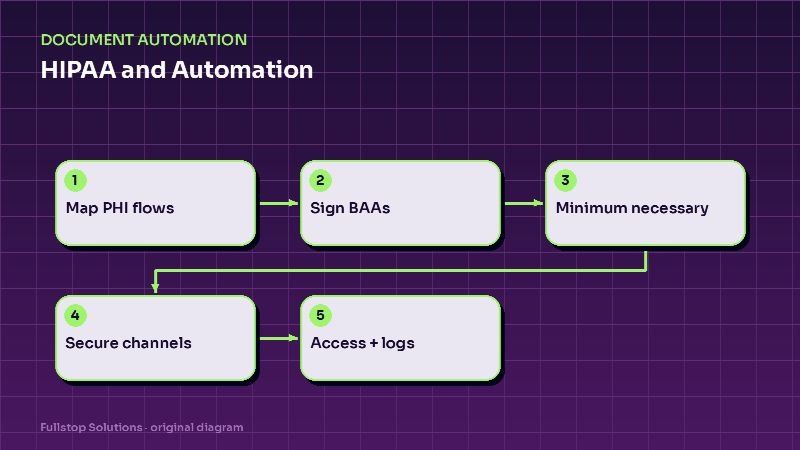
- business associate agreements with vendors that handle PHI. See HIPAA and automation,
- respect communication preferences and opt-outs,
- no clinical advice from automated messages,
- every message offers a way to reach a person.
New patient inquiries
The same clinics often lose new patients to slow responses. Inquiries from the website or phone should get an immediate reply and a booking link; calls during busy treatment hours can go to an AI receptionist. See our AI receptionist service and the automated lead follow-up guide.
Measuring results
Track missed-visit rebook rate, plan-of-care completion, patients with unscheduled remaining visits, reactivated patients and new-patient response time. Take a baseline from your system before launch.
Mistakes to avoid
Too many messages. Two attempts and a call is usually enough.
Clinical detail in texts. Keep it neutral.
Marketing without consent review. Reactivation programs need it.
No clinician involvement. Care-plan rules should come from clinicians.
Questions to settle before you build
Which EHR or practice management system do you use, and does it expose plan-of-care data? How many attempts before a staff call? What will reactivation messages say, and who reviews them for HIPAA and consent? How are authorizations tracked today? Settling these keeps the program patient-centered and compliant.
One patient's path through the system
A patient starts a plan of care calling for a set number of visits over several weeks. After the fourth visit, they miss an appointment. That afternoon they receive a short message saying the clinic missed them, with a reschedule link. They don't respond. Two days later, a second message goes out; still nothing. The front desk receives a call task and reaches the patient, who explains a work schedule change. They rebook for early mornings.
Later in the plan, the patient feels better and stops scheduling, with visits remaining. The system flags them because there is no future appointment. They receive a reminder to book their remaining visits; the clinician also gets a note in case a conversation is needed about whether the plan should change.
At discharge, the patient receives a check-in a few weeks later. They report a small setback, which creates a task for the clinician to call. Months later, if their consent and your compliance review allow, they receive an occasional, care-related message reminding them the clinic is there if symptoms return.
Estimating what is at stake
Run a report of patients with remaining plan visits and no future appointment. Multiply by the average remaining visits and your average reimbursement per visit. That is the value of incomplete plans in your clinic, using your own data, before deciding how much follow-up is worth building.
Where to start
Run a report of patients with remaining plan visits and no future appointment. Our chiropractic automation page and lead intake and follow-up service describe the workflows.