
24/7 tow intake
#1Trigger Call
- Asks vehicle, problem and destination
- Sends a location link
- Quotes your rate
Outcome Every call captured
Typical stack: Voice agent, Towbook
Trucking & logistics · Towing companies
Answer every tow call at any hour, capture the caller's exact location by text link, dispatch the nearest truck and handle impound release questions without tying up dispatch.
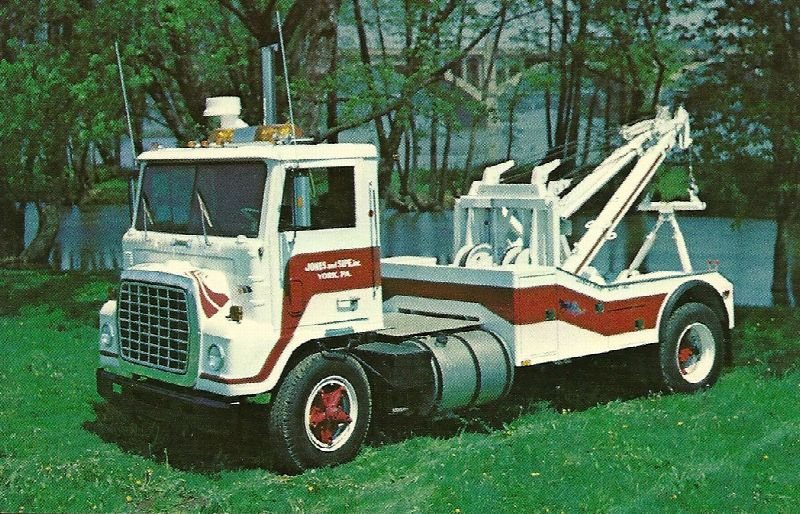
Where time leaks
Patterns we see in this industry. Your workflow will differ; discovery confirms which ones apply.
Calls come in all night from stranded drivers.
Callers do not know exactly where they are.
Motor club jobs come through apps with time limits.
Impound release calls ask the same questions.
Private property impounds and accident scene tows create release paperwork, storage fees and owner notices that the office prepares by hand.
Named for compatibility only. No partnership or endorsement implied; we confirm API access for your plan during discovery.
Automation recipes
Trigger → steps → outcome. Each one is a scoped, fixed-price build.
Trigger Call
Outcome Every call captured
Typical stack: Voice agent, Towbook
Trigger Tow job confirmed
Outcome Faster arrivals with the right truck
Typical stack: Towbook or Omadi, GPS
Trigger Job offer from a motor club
Outcome More accepted motor club jobs
Typical stack: Motor club dispatch tools
Trigger Call about impounded vehicle
Outcome Fewer dispatch interruptions
Typical stack: Voice agent
Trigger Vehicle enters your storage lot
Outcome Release and lien steps stay on schedule
Typical stack: Towbook or Omadi impound records, document generation
Interactive
Pick what starts it and what should happen next. Your workflow assembles live below. This is a planning tool; we confirm what your tools support during discovery.
Your workflow
Planning previewAdd at least one step on the left.
Tap "Start a missed call" and reply as the customer. Runs in your browser.
Incoming call…
Nobody can answer right now
Move the sliders to match your business.
Est. recovered / month
Est. per year
missed → re-engaged → won per month
Estimate = leads × missed % × re-engaged % × close % × deal value, using only the numbers you entered. Not a guarantee; excludes software and build costs.
Plan my text-back automationStep through "24/7 tow intake" one stage at a time. Click any step.
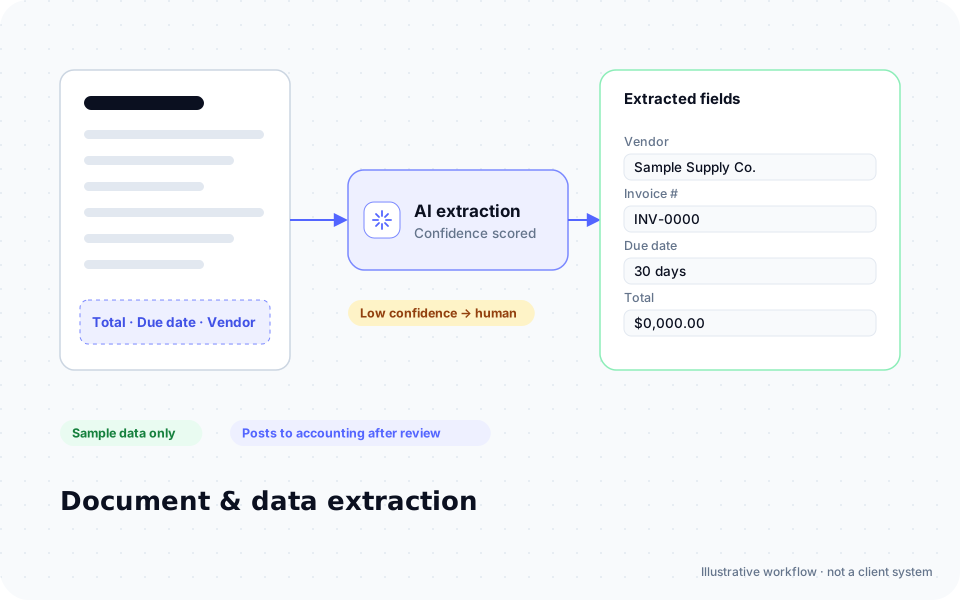
ROI estimate
Preset for a small team. Change the numbers to match your business.
How we implement
We start with your dispatch process, rate sheet and motor club accounts, and test with recorded test calls. We then add motor club handling and impound paperwork, testing each with your dispatcher during a quiet shift before it runs on busy nights. Rates, release rules and required documents come from your own policies.
Discovery call: We walk through your current process and tools (free, 30 minutes).
Workflow map & fixed quote: Written scope, software costs listed separately, compliance notes included.
Build in a test environment: Your accounts, test data first, then a supervised pilot.
Handover: Documentation, training and an optional support plan.
General information, not legal advice. Confirm requirements with your own counsel or compliance officer.
Want these automations running in your business?
Tell us your tools and the one task you'd remove first. We reply with a plan.
The broader playbook for the whole trade, including recipes that apply across specialties.
AI automation for Trucking & logistics →FAQ
Freight brokerage
Post loads, vet carriers before tender, send rate confirmations in seconds, and replace manual check calls with automated tracking updates.
Owner-operators
Spend less time on paperwork: capture fuel receipts for IFTA, send invoices and factoring packets after delivery, and keep your registration and insurance documents from expiring.
Moving companies
Quote moves from a virtual walkthrough, book crews and trucks without conflicts, and send required consumer documents before move day.
Free tools: ROI calculator · AI readiness assessment · Experience Lab
Next step
Two short steps. We reply by email, usually to set up a 30-minute discovery call.
What happens after you submit
We read it personally
A person reviews your note. No automated sales sequence.
We reply by email
Usually with 2–3 clarifying questions and times for a 30-minute call.
You get a written plan
Workflow map, fixed quote and listed software costs before any build. No obligation.
Prefer to talk? Call (214) 891-5650 or email info@fullstopsolutions.com.
Not ready to talk? Try the ROI calculator or readiness check. No email needed.
Instant answers · humans on request
Automated assistant. A specialist confirms pricing and project details. Privacy